
A common thread keeps weaving its way through so many of the conversations I have on this podcast.
There comes a point in midlife when things start to change.
The life you've been living still matters, but it no longer feels like the whole story. Something deeper begins stirring, and it's often difficult to explain. It doesn't always feel like a crisis. Sometimes it feels more like a quiet knowing that there's another part of you waiting to be lived.
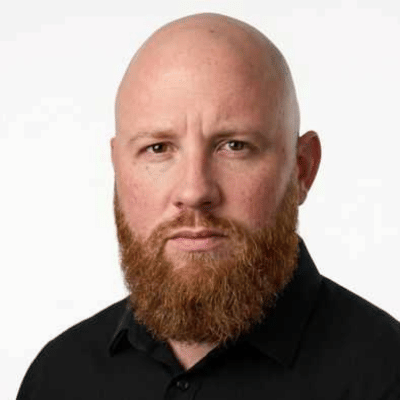
When I sat down with women's rite of passage guide Niels Vantzuriel, I expected an interesting conversation.
I wasn't expecting to be so captivated by the way he spoke.
There's a gentleness to Niels, but also a depth. Listening to him felt less like an interview and more like sitting with someone who has spent years collecting stories, walking ancient landscapes and holding space for women at some of the most important moments of their lives.
His words stayed with me long after we'd finished recording.
When information is no longer enough
One idea really landed for me.
Many of the women who seek out Niels' work have already done all the things.
Therapy.
Meditation.
Personal development.
Retreats.
Books.
They aren't looking for another technique.
They're looking for something that marks the changes already happening inside them.
Niels believes that's where a rite of passage has a place.
Not as another course to complete, but as an experience that helps you consciously leave one chapter behind before stepping into the next.
Why have we lost our rites of passage?
For most of human history, communities marked life's significant transitions.
Birth.
Adulthood.
Marriage.
Death.
People weren't expected to navigate profound changes alone.
Today, many women reach midlife carrying a quiet sense that something is changing, yet there's very little in our culture that recognises or honours that transition.
Perhaps that's why so many women tell me they feel as though they're standing between two lives.
Ireland's thin places
Niels now lives on a remote peninsula in Ireland, surrounded by stone circles, cairns and ancient sacred sites.
Whether you believe these places hold a particular energy or simply appreciate the way nature slows us down, it's hard not to feel that landscape differently.
Niels describes them as "thin places" where the distance between our everyday lives and something deeper feels just a little smaller.
His retreats aren't simply about visiting beautiful places.
They're carefully held experiences, with preparation before women arrive and integration after they return home, because lasting change doesn't happen in a single weekend.
It unfolds over time.
Growth through pleasure
One of the most surprising parts of our conversation was Niels' idea of growth through pleasure.
Many of us have been taught that growth comes through pushing harder, enduring discomfort or learning life's lessons the difficult way.
Niels offered another perspective.
Pleasure can expand us.
Joy can open new possibilities.
Our nervous system is often far more willing to embrace lasting change when it feels safe rather than threatened.
I found that idea incredibly refreshing.
Perhaps this is what midlife is asking of us
I've often said that I see midlife as an awakening.
This conversation added another layer to that.
Perhaps awakening isn't simply about understanding ourselves more deeply.
Perhaps it's about honouring the changes already happening within us.
Giving them the attention they deserve.
Creating space for them to unfold.
And recognising that some chapters deserve to be marked before the next one begins.
Listen to the full conversation
If you've been sensing that something is changing in midlife, and you're curious about rites of passage, ancient wisdom and another way of approaching personal growth, I think you'll really enjoy this conversation with Niels Vantzuriel.
It's one of those conversations that invites you to slow down, listen deeply and perhaps ask yourself what chapter you're standing on the edge of now.