
We're living in an age where there's seemingly no limit to the products, treatments and technologies promising to help us look younger, feel better and live longer.
From hormone therapies and aesthetic treatments to peptides, weight-loss medications and the latest longevity protocols, the options are expanding rapidly.
But with so much information available, how do we know what's genuinely supported by science and what's simply clever marketing?
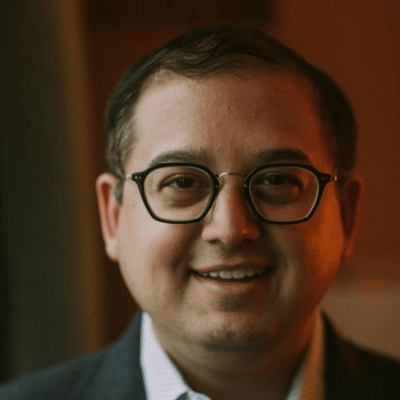
In this episode of The Midlife Rebel Podcast, I'm joined by Dr Furhan Qureshi, an Internal Medicine Physician working at the intersection of hormone health, metabolic wellbeing, longevity and aesthetic medicine.
Our conversation explores the growing business of healthy ageing, the relationship between appearance and wellbeing, and the importance of making informed decisions about our health, particularly as we navigate midlife and beyond.
The Business of Looking Younger and Living Longer
Longevity medicine has become a rapidly growing industry, attracting interest from people looking to maintain their health, energy and vitality as they age.
And while advances in medicine offer exciting possibilities, Dr Qureshi raises concerns about the commercialisation of health optimisation and the way some treatments are promoted before sufficient scientific evidence is available.
Social media has made it easier than ever for health influencers, businesses and practitioners to reach potential customers, often with persuasive claims about reversing ageing, improving performance or transforming wellbeing.
But the popularity of a treatment doesn't necessarily mean it's effective, appropriate or safe.
For Dr Qureshi, understanding the evidence behind these claims is an essential part of making informed healthcare decisions.
Appearance, Confidence and the Pressure to Stay Young
Our conversation also explores the increasingly complicated relationship between how we look, how we feel and how we're perceived by others.
Dr Qureshi suggests that appearance can influence opportunities in professional and personal life, creating additional pressure to maintain a youthful, healthy image.
It's an interesting consideration for women in midlife, when physical changes associated with ageing and menopause can coincide with significant changes in identity, relationships and confidence.
We discuss the motivations behind aesthetic treatments such as Botox, alongside hormone therapies, libido, energy and the growing interest in strength training.
These choices can be influenced by many factors, including personal preferences, wellbeing, confidence and the expectations we feel from the world around us.
Dr Qureshi also talks about the importance of understanding why someone is seeking an aesthetic procedure and recognising when treatment may not be in their best interests.
It raises a broader question about ageing: how much of what we pursue is driven by our own needs and desires, and how much is influenced by the messages we receive about how we should look?
Longevity Treatments: Understanding the Evidence
Peptides and other emerging longevity treatments have attracted considerable attention, particularly across social media.
But promising early research doesn't always translate into proven benefits for humans.
Dr Qureshi discusses the limitations of some scientific studies, including small sample sizes, potential bias and the difference between results observed in animals and those demonstrated in human clinical trials.
We also explore the role of influencers and commercial partnerships in promoting health products, and why financial incentives can complicate the information being presented.
Even artificial intelligence enters the conversation, particularly the risk of relying on AI-generated answers that may reinforce existing beliefs without adequately examining the quality of the evidence.
With so much health information at our fingertips, developing the ability to question claims and recognise credible sources is becoming increasingly important.
The Role of Lifestyle in Healthy Ageing
Despite the growing interest in medical interventions and new technologies, lifestyle remains an important part of the conversation.
We explore how modern living can make maintaining good health more challenging, from sedentary work and long commutes to demanding schedules, insufficient sleep and the constant presence of screens.
Dr Qureshi also discusses obesity, metabolic health and the increasing use of GLP-1 medications such as Wegovy.
While these medications can provide meaningful benefits for appropriately selected patients, the conversation raises broader questions about the environments and habits that contribute to poor metabolic health.
Rather than viewing health entirely through the lens of individual responsibility, Dr Qureshi encourages consideration of the wider social and environmental factors that influence our choices.
Movement, sleep, nutrition and meaningful social connection remain important foundations for long-term health, even as medical treatments continue to evolve.
Making Informed Choices About Our Health
One of the recurring themes throughout our conversation is the importance of discernment.
Whether we're considering an aesthetic procedure, hormone therapy, a longevity treatment or a new health supplement, understanding the potential benefits, limitations and risks matters.
Dr Qureshi describes his approach to aesthetic consultations, including exploring a patient's motivations, expectations and psychological wellbeing before recommending treatment.
We also discuss how technology, including AI, might help us reclaim time from administrative tasks and create more opportunities for activities that support our health and quality of life.
Ultimately, healthy ageing involves much more than looking younger or pursuing the latest medical innovation.
It's about understanding our options, asking better questions and making decisions that support our wellbeing over the long term.
And perhaps there's something particularly relevant for women in midlife here.
At a stage of life when we're often encouraged to fix, improve or reverse the changes associated with ageing, we have an opportunity to question those messages and decide for ourselves what healthy ageing really means.
Listen to my conversation with Dr Furhan Qureshi on The Midlife Rebel Podcast: Healthy Ageing: Separating Science from Hype.
This blog post was generated with the assistance of AI using the podcast episode transcript and has been reviewed and edited for publication.