
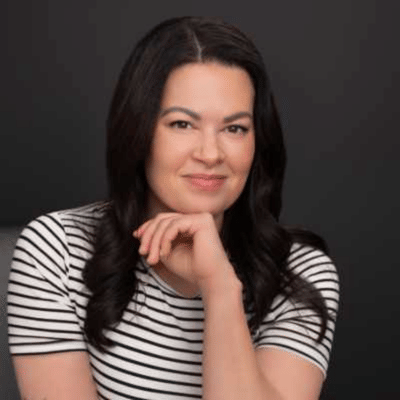
For years, many of us have been taught that hormones are mainly about fertility, periods, and pregnancy. But as I discovered in my conversation with women's wellness educator and author Tierra Duncan, hormones influence so much more than our reproductive years.
We explored how oestrogen, progesterone and testosterone impact everything from mood, sleep and energy to bone health, brain function and how we cope with stress. When hormones begin changing during perimenopause, it can feel like your body is suddenly speaking a different language. Understanding what's happening doesn't solve everything, but it can help you make sense of symptoms that many women have been told to simply put up with.
One of the biggest topics we discussed was hormonal birth control. The pill, hormonal IUDs, implants, injections and patches are often prescribed for reasons that go far beyond preventing pregnancy. They can help manage acne, heavy periods, painful cycles and a range of other symptoms. For some women, these options can be incredibly supportive. At the same time, Tierra encourages women to ask deeper questions about what might be driving those symptoms in the first place.
We talked about how issues such as chronic stress, inflammation, poor sleep, nutrient deficiencies and gut health can all influence hormonal health. If you've been using hormonal contraception for many years, you may never have had the opportunity to understand what your natural cycle actually looks and feels like. That awareness can become valuable information when making future health decisions.
Another area we explored was cycle tracking. Far from being complicated or time-consuming, understanding your cycle can offer useful insights into your energy, mood and overall wellbeing. Ovulation is a key event in the cycle and plays an important role in hormone production. Many women are surprised to learn that severe PMS symptoms, while common, shouldn't automatically be accepted as normal.
Tierra also shared her own experience with endometriosis and the long road to getting answers. Like many women, she experienced symptoms that were dismissed before eventually receiving a diagnosis. Our conversation highlighted the complexity of endometriosis and why women deserve more nuanced discussions around treatment and management. While medication can play an important role, lifestyle factors such as nutrition, stress management, movement and sleep may also contribute to supporting overall health and reducing inflammation.
As our conversation unfolded, a bigger theme emerged. Too often women are moved quickly from one treatment or medication to the next without first looking at some of the foundations that support long-term health. We discussed the importance of sleep, sunlight, strength training, whole foods and reducing ultra-processed foods and excess alcohol.
We also touched on the growing conversation around GLP-1 medications for weight loss. Tierra explained how these medications work, where they may be appropriate, and why they deserve thoughtful consideration rather than being viewed as a quick fix.
More than anything, this conversation is about education and self-trust. When women understand how their bodies work, they are in a much stronger position to ask questions, explore their options and make decisions that feel right for them.
Whether you're navigating hormonal changes, questioning symptoms you've been told are normal, or simply wanting a better understanding of your body, this episode offers a thoughtful starting point for the conversation.