

Freedom with food and peace with our bodies rarely arrive through strict rules, calorie counting, or a relentless inner critic. Real healing is born from intention, awareness, and a willingness to replace punishment with care.
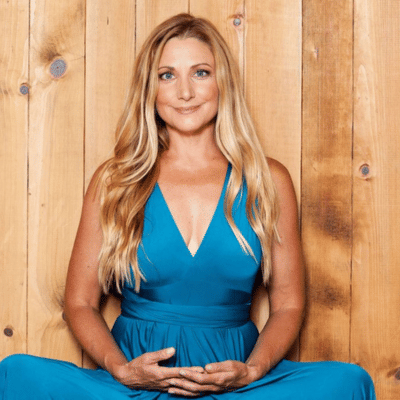
In this conversation with Marla Mervis-Hartmann—coach, Reiki Master, TEDx speaker, and author of Befriend Yourself—we explore a story that resonates with countless midlife women: years of dieting and over-exercising, phases of bingeing and restriction, and a constant, harsh voice insisting that worth lives only in weight. At the thinnest point, happiness didn’t show up; at the heaviest, shame felt unbearable. Those extremes revealed a truth many of us sense but resist: the problem isn’t the body or the food—it’s how we cope. And the solution isn’t tighter control, but a new relationship built on self-compassion, honest intentions, and practices that restore trust with ourselves.
Breaking Free from Diet Culture
How do we untangle health from weight loss? Diet culture teaches us to equate thinness with value, but most midlife women have experienced how fixating on weight backfires. Marla reframes the goal: fuel your intention, not the number. Ask what you truly want—better sleep, steadier energy, less anxiety, or strength to live the life you envision. Choices aligned with those aims bring sustainable health, while weight adjusts as a by-product, not the prize. This mindset shift helps end the yo-yo cycle and softens the pressure to seek constant outside approval.
Addiction, Moderation, and Grey Areas
Many women wrestle with habits like nightly wine or “healthy” treats. They may look harmless, but the giveaway is obsession—thinking about the thing when you’re not doing it, or using it to avoid feeling. Marla explains how even a cacao ritual turned into compulsion, and why the question isn’t about labels but leverage: will this help me thrive? For some, moderation works; for others, abstinence feels safer. Both paths are valid when the intention is care, not control.
Body Image in Midlife and Peri-menopause
Body image struggles don’t discriminate by size. Even slender women face high expectations and fear of change. Peri-menopause adds another layer, distorting how we perceive ourselves even before the mirror changes. Hormones can spark body anxiety, brain fog, and mood swings. Meeting those shifts with contempt only amplifies suffering. Instead, Marla encourages midlife women to act like a friend to their bodies, especially on “spiky” days. That might look like softer clothes, fewer mirrors, or stabilising meals to support energy and mood. Acceptance here isn’t passive—it’s the clarity that allows wise choices without self-harm.
Food, Trauma, and the Mother Wound
For many women, food patterns are tied to deeper wounds—missed attention in childhood, mixed messages about bodies, or boundary violations that scrambled safety and pleasure. Restriction and overeating can both become coping strategies. Healing requires connecting those dots and practicing new forms of safety: breath, movement, nourishing rhythms, and relationships that honour your “no.” Healing isn’t linear—it unfolds in cycles of opening, testing, resting, and expanding again.
Redefining Intuitive Eating
Beyond the hashtag, intuitive eating is not “eat anything, anytime” nor another rigid plan. It’s skilled listening. Stabilise physiology first—balance blood sugar, sleep well, reduce inflammation—and then tune in. Intuition is clearest when the body is nourished and safe. Over time, intuitive eating becomes less about indulgence and more about attunement, trust, and care.