
Betrayal trauma reshapes a life from the inside out. It doesn’t just break trust; it rewires the nervous system, daily habits, and even the stories we tell ourselves about love, safety, and worth.
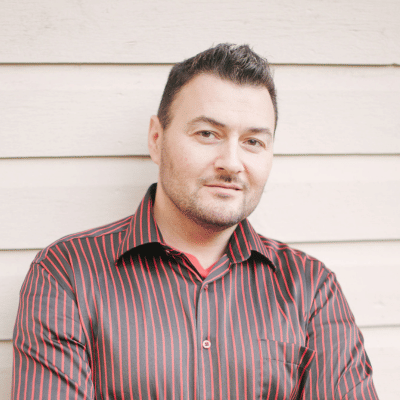
In this conversation with Mr Jay, Certified Betrayal Trauma Practitioner and Intrapersonal Relationship Coach, we track the arc from heartbreak to healing through honest language and clear, practical methods.
Failure as Teacher: When Life Becomes the Credential
Mr Jay begins with the idea that failure is a teacher. His own experiences in the “school of hard knocks” have given him deep compassion for those who feel broken, ashamed, or numb. This honesty opens the door for people who often carry their pain in silence, finally giving them permission to exhale.
When grief and trauma collide—whether through abrupt loss, betrayal, or childhood instability—hypervigilance wires itself into the body. Mr Jay reframes this response: not glorifying it, but asking how vigilance can serve as protection rather than a source of control. That shift—from self-judgment to self-respect—becomes a running thread through his work.
What Makes Betrayal Trauma Different?
Betrayal trauma is distinct from other painful experiences because of its structure:
Personal: Many betrayed partners immediately ask, “What was wrong with me?” when infidelity comes to light.
Private: Unlike public grief, infidelity is rarely spoken about openly, leaving partners isolated at the hardest moments.
Retrospective: Betrayal rewrites the past—old photos, favourite restaurants, even ordinary streets are suddenly recoded with suspicion.
This three-part burden makes betrayal trauma feel like an emotional flashbang. Triggers don’t just remind the body of the past—they force the body to relive it. Night sweats, panic, spiralling anxiety, even gut issues like IBS aren’t moral failings; they’re physiological footprints of a nervous system stuck in defence.
Mr Jay is clear: trauma may never vanish completely. But with skill, it can be managed until its impact narrows. As he puts it, early on it feels like a giant tangled mess. With consistent work, it becomes a small balloon of glitter—yes, it can still pop, but the cleanup is different.
Intrapersonal Coaching: Boundaries, Values, and Self-Respect
The healing path begins with intrapersonal work. Instead of looking outward for new partners, new jobs, or new distractions, Mr Jay guides people inward with questions like:
What values truly matter to me?
Where am I abandoning my own voice?
How can I turn values into enforceable boundaries?
He defines boundaries as self-governance, not a tool for controlling others. The key is enforcement: if lateness or broken agreements violate your value of respect, consequences must follow—whether that’s a candid talk, a warning, or withdrawal of access. Without enforcement, self-disrespect grows, breeding resentment and depression.
His invitation: list your values, convert them into boundary statements, and decide consequences in calm moments, not heated ones. Boundaries, he says, aren’t about rigidity. They’re about dignity.
Self-Care: 'No.' Is a Complete Sentence
Healing also requires self-care. And not the spa-day version, but the daily practice of respecting your limits.
“You can’t pour from an empty cup,” Mr Jay reminds us, “and you aren’t noble if you sink like the Titanic trying to save everyone else.”
People-pleasing and constant “yeses” erode the muscle that says no. But “no” is a complete, respectful sentence. The nervous system hears it as safety; your calendar translates it into space. That space is what relationships need to thrive—presence, curiosity, and shared joy.
He’s blunt about complacency: it’s the breeding ground for affairs. When partners stop being curious about each other’s growth, someone else’s attention can feel like oxygen. The antidote is intentionality: guard couple time, be “selfish” about your partnership, and keep dating the person you’re with—even if it means creative, inexpensive adventures.
Why Do People Cheat?
Affairs, Mr Jay explains, are rarely about the betrayed partner. They’re often a maladaptive attempt to “feel alive.”
Cheating acts like a drug: numbing deeper pain, offering distraction, and creating temporary highs that crash into guilt and shame. This cycle can include betrayal abuse—lying, stonewalling, or cruelty during the fog of the affair.
Mr Jay refuses to reduce people to labels, but he insists on naming abusive acts. If couples choose to rebuild, both partners must engage in deep work:
The betrayer: address the wound underneath, restore transparency, and accept accountability without defence.
The betrayed: process rage and grief, while slowly learning to trust their own nervous system again.
Compassion in this context is gritty, not glamorous—seeing human fallibility without excusing harm. Responsibility for the betrayal lies 100% with the betrayer, but responsibility for healing forward is shared.
Patterns, Old Wounds, and Choosing a Path
Betrayal trauma often awakens older wounds: parents who broke trust, childhood environments of silence, or narratives that made love conditional. This doesn’t blame the betrayed—it explains why reactions can feel so big. Healing, then, isn’t just about the current betrayal. It’s about tending to every fracture that betrayal reopens.
Some couples choose to leave. Others choose to rebuild. Either way, the through-line is the same: healing begins within.
Listen to the Full Conversation
This blog only scratches the surface of Mr Jay’s powerful insights. Listen to the full episode of Life, Health & The Universe to explore betrayal trauma recovery, intrapersonal coaching, and nervous system care.