
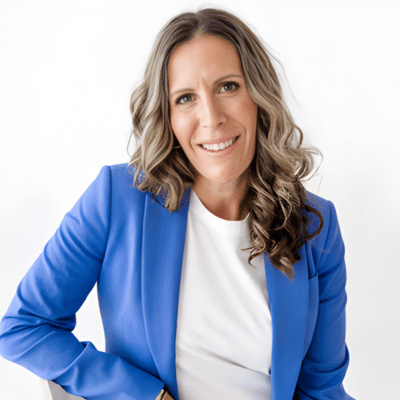
Midlife can feel like a verdict: fatigue, belly fat, brain fog, brittle bones, and the quiet fear that the best years are gone. This conversation offers a different possibility. Sarah Rusbatch, grey area drinking coach and author of Beyond Booze, returns to explore how quitting alcohol can become the catalyst for energy, clarity, and grounded confidence in midlife.
We trace the familiar arc from socially normalised drinking to the moment many women realise that wine o’clock isn’t self-care—it’s self-sabotage. Alcohol used as a reward temporarily soothes boredom, stress, and loneliness, but it wrecks sleep, spikes anxiety, and dulls motivation. The turning point is a reframe: swapping instant gratification for effort-based dopamine, swapping numbing for noticing, and building rituals that support the life you actually want.
From there, we dive into the psychology of identity and habit change. For years, Sarah was “the party girl,” her social currency tied to having a drink in hand. Taking a break didn’t just transform her sleep and skin; it tugged at deeper threads—people-pleasing, autopilot evenings, and the unexamined beliefs sold by alcohol marketing. Unwinding those stories takes time and data. Try 30 or 100 days, track your sleep and mood, and watch old narratives lose their power. Social pressure fades once results speak louder than the expectation to join in. And if a ritual helps, keep it—just change the liquid. Kombucha in a stemmed glass hits the cue without the crash. When the phone becomes the new numbing agent, redirect dopamine toward effort: strength training, puzzles, cold-water dips, or setting meaningful goals. Your brain learns to earn its own reward.
Then the lens widens to women’s health. Perimenopause magnifies alcohol’s downsides—fragmented sleep, hot sweats, anxiety, stubborn weight gain. The answer isn’t more cardio and less food; it’s strength, nourishment, and nervous system care. Think heavy lifts with low reps, progressive overload, protein-forward meals, and habits that regulate your system. Strong body, strong mind isn’t a slogan—it’s a stress buffer, a path back to agency, and the foundation for joyful movement, whether that’s lifting weights or training for a marathon at 50. When energy rises, options multiply: dancing without drinks, deeper conversations, more patient parenting, and a social life that doesn’t need a pour.
Parenting weaves through this story too. Teens will push boundaries, and preaching rarely works. Education, modelling, and delayed exposure have more impact. Kids who see a parent living a full, fun, alcohol-free life learn early that connection doesn’t require a bottle. Attachment deepens when evenings are present, not numbed. Often it starts with tiny guardrails: phones away after 8 p.m., a book by the stove, a jigsaw on the table. These micro-shifts protect sleep, mood, and relationships—and they stack. Once you’re thriving, the question changes from “How do I cope?” to “What do I want to build?”
Community is the glue that holds all this together. Shame thrives in silence; change gathers momentum in groups. Sarah’s programs focus on three pillars: community, education, and practical tools. Her book Beyond Booze takes the “why” and turns it into the “how,” with strategies and prompts to guide the process. Whether you begin with a few pages, a 30-day experiment, or a full challenge, the aim is the same: get curious, run the test, and keep what works.
Midlife isn’t a decline. It’s a decision point. Choose energy. Choose strength. Choose rituals that make tomorrow easier. The rebel move isn’t swearing off alcohol forever—it’s saying not today, and paying attention to how good that feels.