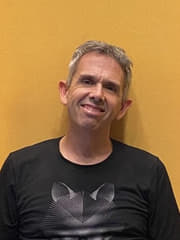

Midlife often gets framed as decline or crisis, yet the most compelling stories flip that script. This conversation follows a leader who rose through the corporate ranks across the UK, Europe, and Asia Pacific—winning multimillion-dollar tenders, managing complex teams, and thriving in high-pressure environments. The success was real, but so were the whispers of strain: endless flights, rich hotel meals, and a growing disconnect between a steady mind practice and a body quietly waving red flags. When COVID forced the world to slow, he finally had room to sit, breathe, and turn inward. What surfaced was a deeper question many high achievers avoid: What if the next level isn’t up and out, but down and in?
The reckoning came with a diagnosis no one expects: a large stage 3 kidney tumour, found after an uncanny energetic nudge that something was wrong. Surgery pushed him to the edge—bowel obstruction, rapid weight loss, and the kind of surrender you can’t strategise your way out of. Instead of doubling down on grit, he softened. He listened to his body with the same attention he once directed toward procurement bids. Taoist practices reframed vitality as an intelligent flow rather than a resource to burn. Recovery became a curriculum in patience: cat naps over caffeine, cacao instead of adrenaline, nourishment that honoured thresholds, and letting his community step in. Health returned, but so did a new compass.
Threaded through his journey is a commitment to deep listening. In teams, he had learned that coherence emerges when people slow enough to hear their own wisdom. In solitude, he encountered silence on a four-day vision quest and a ten-day Vipassana, where inner noise peeled away and one message rose clearly: you are worthy. That realisation rewired decades of proving and performing. Presence shifted from a strategy for productivity to a way of being. The old, familiar question—How do I control my states and outcomes?—gave way to a steadier one: How do I rest as awareness while acting clearly in the world? Leadership stopped being force and became resonance.
This path also required forgiveness: for parents coping with addiction, for a younger self who survived by striving, and for a culture that prizes output over humanity. The Gene Keys gave language to these inner movements—shadows of inadequacy alchemising into resourcefulness, the urge to hoard expertise transforming into a desire to share it freely. Wisdom, unlike information, arises when the foreground of thought cools and we return to the background of being. From that place, small acts—an unhurried breath, a phone left untouched, true attention to a child’s game—create ripples far larger than their size. The invitation is simple and demanding: lead from listening, move from your centre, and let the body set the tempo of your life.
Today, his work bridges achievement and awakening. He supports leaders and seekers who want impact without self-erasure, offering practical tools for navigating the “matrix”—meeting hygiene, decision clarity, energy boundaries—alongside direct practices that reveal the quiet field behind every experience. He’s building a sanctuary in nature and developing online pathways so more people can access this blend of pragmatism and presence.
If you’ve been living on momentum, consider this your signal: slow the spin, feel your feet, and choose a form of power that doesn’t cost your health. The smallest rituals compound. The deepest change begins the moment you stop, listen, and let life speak.
And if you’re ready to slow down enough to hear your own life again, let this conversation with James Brett be your reminder that true strength begins with listening.